In our increasingly connected world, managing all your gadgets and peripherals can feel like a digital juggling act. Laptops get thinner, desktops streamline, and suddenly, you’re left with fewer USB ports than you have devices. This is where the trusty USB hub switch usb ecosystem steps in, offering elegant solutions to your connectivity conundrums. But what exactly are they, and how do you choose the right one for your setup? As your go-to expert at Meeob.com, I’m here to demystify these essential tools, helping you expand your capabilities and streamline your workflow with confidence.
Understanding the Core: What is a USB Hub?
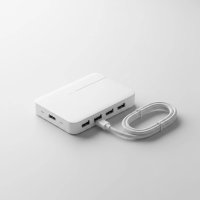
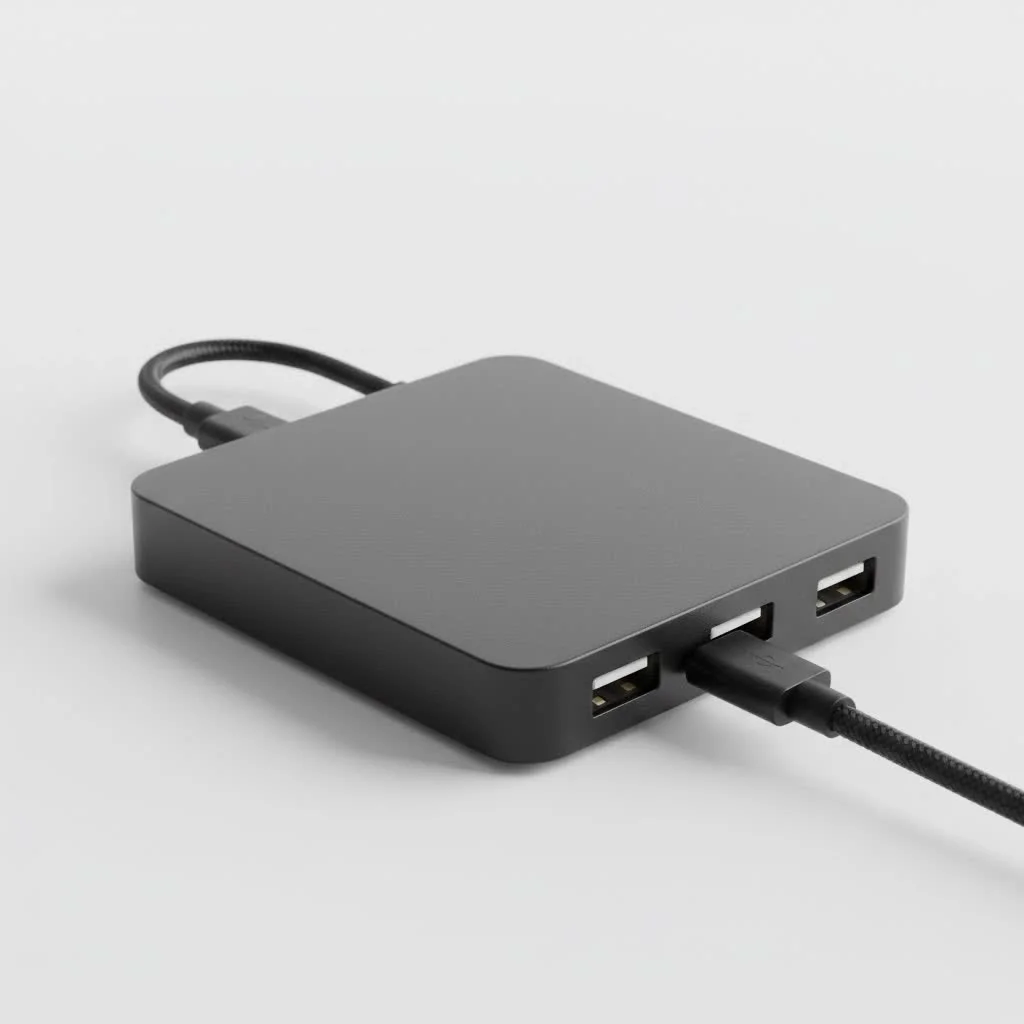
Think of a USB hub as a digital power strip for your data. Its primary function is straightforward: to take one single USB port on your computer and expand it into multiple usable ports. This allows you to connect several USB devices simultaneously to a single host machine. From your mouse and keyboard to external hard drives, webcams, and flash drives, a USB hub multiplies your connectivity options. For expert usb hubs reviews on this site.
When it comes to USB hubs, you’ll primarily encounter two types:
- Passive (Bus-Powered) USB Hubs: These hubs draw all their necessary power directly from the host computer’s USB port. They are typically smaller, more portable, and don’t require an external power adapter. However, this convenience comes with a limitation: the total power available to all connected devices is restricted by the single port they’re plugged into. They’re perfect for low-power peripherals like a mouse, keyboard, or flash drive.
- Active (Self-Powered) USB Hubs: Unlike their passive counterparts, active hubs come with their own external power supply. This means they can deliver full power to each of their ports, making them ideal for power-hungry devices such such as external hard drives, Blu-ray burners, or for charging multiple smartphones and tablets efficiently. Choosing an active hub ensures stable performance and prevents power-related issues that can cause devices to disconnect or malfunction.
“For anyone running multiple external hard drives or charging several devices at once, a self-powered USB hub isn’t just a convenience, it’s a necessity,” says our resident tech guru, Elara Vance. “It ensures every device gets the juice it needs without stressing your computer’s limited power output.”
Mastering Connectivity: What is a USB Switch?
While a USB hub focuses on giving one computer more ports, a USB switch tackles a different challenge: enabling multiple computers to share one or more USB peripherals. Imagine you have a single high-quality printer, scanner, or even a keyboard and mouse set that you want to use with both your work laptop and your personal desktop. Constantly plugging and unplugging cables is not only annoying but can also lead to wear and tear on your ports and cables. A USB switch eliminates this hassle.
A USB switch acts as a digital traffic controller, allowing you to “switch” access to connected USB devices between different host computers. Typically, only one computer can actively use the shared devices at a time. The selection mechanism can vary:
- Manual USB Switches: These are the most common and often the simplest. They usually feature a physical button that you press to switch control of the USB devices from one computer to another. They are straightforward, plug-and-play, and generally don’t require external power for basic functions.
- Automatic/Electronic USB Switches: More advanced models might offer automatic switching based on activity or software control. Some even come with remote controls or hotkey functionality, allowing you to switch without physically touching the device itself, which is great for a tidier workspace.
The beauty of a USB switch lies in its ability to simplify resource sharing. Instead of buying duplicate peripherals for each computer, you can centralize your setup, saving money and reducing clutter. It’s particularly invaluable in home offices or small business environments where shared access to a printer or scanner is common.
USB Hub vs. USB Switch: A Clear Distinction
Although both devices deal with USB connectivity, their fundamental purposes are quite different. Understanding these distinctions is crucial for making the right choice.
| Feature | USB Hub | USB Switch |
|---|---|---|
| Primary Function | Expands one USB port into many for one computer. | Allows multiple computers to share one or more USB devices. |
| Connectivity Flow | 1 Host → N Peripherals | N Hosts → 1 or N Peripherals (one host active) |
| Bandwidth | Shared among all connected devices. | Full bandwidth to the actively selected device. |
| Common Use Case | Connecting multiple accessories (mouse, keyboard, external drives, webcams) to a single PC. | Sharing a single printer, scanner, or KBM set between two or more PCs. |
| Power Options | Bus-powered (passive) or self-powered (active). | Often bus-powered, but can be powered for stable connections to multiple devices. |
| Operation | All connected devices are available simultaneously to the host. | You actively “switch” which host computer has access to the devices. |
It’s also worth noting that sometimes you’ll find devices that blur these lines. For example, a USB switch might incorporate an internal hub, allowing two computers to share not just one device, but a small collection of devices (like a mouse, keyboard, and webcam) simultaneously. These can be particularly useful for creating a streamlined multi-computer workstation without the full complexity of a KVM (Keyboard, Video, Mouse) switch, which also handles video input.
Choosing Your Champion: Factors to Consider for a USB Hub or Switch
Selecting the perfect USB hub switch usb solution for your needs involves a few key considerations. Don’t just grab the first one you see; a little planning goes a long way.
Your Needs First: Expansion vs. Sharing
|
Our Picks for the Best USB Hub in 2026
As an Amazon Associate I earn from qualifying purchases.
|
||
| Num | Product | Action |
|---|---|---|
| 1 | Anker Laptop Docking Station Dual Monitor, 8-in-1 USB C Hub, 4K Dual Monitor with 2 HDMI, 1 Gbps Ethernet Hub, 85W Power Delivery, SD Card Reader for MacBook Pro, XPS and More (Charger not Included) |

|
| 2 | UGREEN USB 3.0 Hub, 4 Ports USB A Splitter Ultra-Slim USB Expander for Mouse, Keyboard, Flash Drive, U Disk, Printer Compatible with Laptop, Desktop PC, Xbox, PS5, and More |
|
| 3 | Anker USB Hub 4 Ports with 5Gbps Data Transfer, Multiple USB 3.0 Hub, USB Splitter for Laptop, Extender for A Port Laptop, PC, Desktop and More [Charging Not Supported](0.7 ft USB-A) |
|
| 4 | 3-in-1 USB C Splitter, 3 in 1 Type-C Charging Data Cable Data Transmission Decive Charging Adapter Power Charger Equipment for ome Office Use, Fast & Efficient |
|
| 5 | USB Hub 3.0, 7-Port USB Hub Splitter with Individual On/Off Switches and Lights, 3.2ft/1m Long Cable Compatible with MacBook, Laptop, Surface Pro, PS4, PC, Flash Drive, Mobile HDD |
|
| 6 | USB C Docking Station with M.2 NVMe SSD Enclosure 10Gbps, 9 in 1 USB-C Hub, Type C SSD Slot with 4K@60Hz HDMI, USB 3.2 Gen2, PD100W, SD/TF Card Reader, Laptop Docking Station for Dell/HP/Lenovo/Mac |
|
| 7 | 13 in 1 USB C Docking Station - Dual Monitor, Triple Display, 8 USB C/A Ports, Ethernet, Audio - LIONWEI USB C Hub for MacBook,Dell,HP,Lenovo,Surface |
|
| 8 | Powered USB Hub, Wenter 11-Port USB Splitter Hub (10 Faster Data Transfer Ports+ 1 Smart Charging Port) with Individual LED On/Off Switches, USB Hub 3.0 Powered with Power Adapter for Mac, PC |
|
| 9 | P9R PRO USB C Hub Ethernet, 10 in 1 USB Docking Station 10Gbps with 4K@60Hz HDMI, USB C and 2 USB A 3.2, LAN, 2 USB A 2.0, PD 100W, SD/TF Ports, USB to Ethernet Adapter for PC, iPhone 16/15, Mac |
|
| 10 | Powered USB Hub 10Gbps, intpw 9-Port USB 3.2 Hub, USB C Hub with USB A/USB C 3.2, 4 USB 3.0, 2 PD 45W Charging Ports, 65W Power Adapter and 3.3FT Cable, Aluminum USB Hub for Laptop, iPhone 17/16/15,PC |
|
Before anything else, clarify your primary goal. Do you simply need more USB ports for a single computer? Then a USB hub is your answer. Are you looking to share peripherals between two or more computers? A USB switch is what you’re after. If you need both, a combination device or separate hub and switch might be necessary.
USB Standard: Speed and Power Delivery
USB technology has evolved significantly. Pay attention to the USB standard:
- USB 2.0: Offers speeds up to 480 Mbps. Suitable for keyboards, mice, and slower peripherals.
- USB 3.0/3.1/3.2: Provides speeds up to 5 Gbps (USB 3.0/3.1 Gen 1), 10 Gbps (USB 3.1 Gen 2), or even 20 Gbps (USB 3.2 Gen 2×2). Essential for external hard drives, SSDs, and high-bandwidth devices like 4K webcams. Always aim for a USB 3.0 (or newer) hub or switch if you’re dealing with faster devices to avoid bottlenecks.
- USB-C: This versatile connector supports various USB standards, including higher speeds and Power Delivery (PD). A USB-C hub can offer not only USB-A ports but also HDMI, Ethernet, and card readers, turning a single USB-C port into a comprehensive docking solution.
Make sure the hub or switch you choose matches or exceeds the USB standard of the devices you plan to connect for optimal performance.
Power Requirements: Keeping Everything Juiced
For USB hubs, decide between bus-powered (passive) and self-powered (active). If you’re connecting anything that needs significant power, like external hard drives or multiple charging devices, an active, externally powered hub is non-negotiable. For USB switches, if you’re sharing several devices or a device that requires power, a powered switch (one with its own adapter) will ensure stable operation.
Number of Ports/Devices: Room to Grow
Count how many ports you need on a hub or how many computers and devices you plan to connect to a switch. It’s often wise to get a device with a couple of extra ports than you currently need, just to future-proof your setup for new gadgets.
Switching Mechanism (for USB Switches)
Consider how you want to switch between computers. A simple push-button is fine for many, but if your setup is out of reach or you prefer software control, look for switches with hotkey support or remote capabilities.
Build Quality and Design
A durable build ensures longevity. Look for devices made from quality materials, especially if they’ll be frequently handled or transported. Design-wise, consider if you prefer a compact, portable hub or a more robust desktop switch.
Expert Insights: Maximizing Your USB Connectivity
“Don’t underestimate the impact of cable quality and length,” advises cybersecurity specialist, Dr. Kenji Tanaka, a frequent contributor to Meeob.com. “Even the best USB hub or switch can be hindered by a poor-quality cable. Invest in certified cables that match your USB standard for reliable data transfer and power delivery.”
Here are a few more tips to get the most out of your USB hub switch usb devices:
- Match USB Versions: If you have a USB 3.0 device, connect it to a USB 3.0 port on your hub, which is then connected to a USB 3.0 port on your computer. Mixing versions will default to the slowest standard, impacting speed.
- Don’t Daisy-Chain Indefinitely: While technically possible, connecting multiple hubs to each other (daisy-chaining) can lead to bandwidth and power issues. Limit this practice to avoid performance degradation.
- Power for Performance: If a device is acting erratically when connected to a hub, try connecting it directly to your computer or using an active (self-powered) hub. This often resolves power-related stability issues.
- Organize Your Workspace: Use the hub or switch to centralize cables, making your desk cleaner and more efficient. Label ports if necessary to keep track of connections.
Conclusion
Navigating the world of USB connectivity doesn’t have to be daunting. By understanding the distinct roles of a USB hub (for port expansion on one computer) and a USB switch (for sharing devices between multiple computers), you’re well-equipped to make informed decisions. Whether you’re a busy professional, a dedicated gamer, or simply looking to tidy up your home office, the right USB hub switch usb solution can dramatically enhance your digital experience.
At Meeob.com, we’re committed to providing you with the expert knowledge you need to choose and use your tech safely and efficiently. Embrace the power of organized connectivity, and never let a shortage of ports hold you back again!
Get our weekly buyer guide
Practical specs, not advice. Unsubscribe anytime.