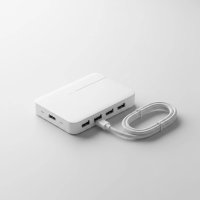
Ever found yourself in a tight spot, desperately needing extra USB ports for your laptop or desktop? Perhaps you’re juggling too many peripherals – a mouse, keyboard, external hard drive, webcam, and suddenly, you’re out of slots. In those moments, waiting for an online order simply isn’t an option. That’s when the phrase “USB hub near me” becomes your digital lifeline. The good news? Instant connectivity is often just a short trip away.
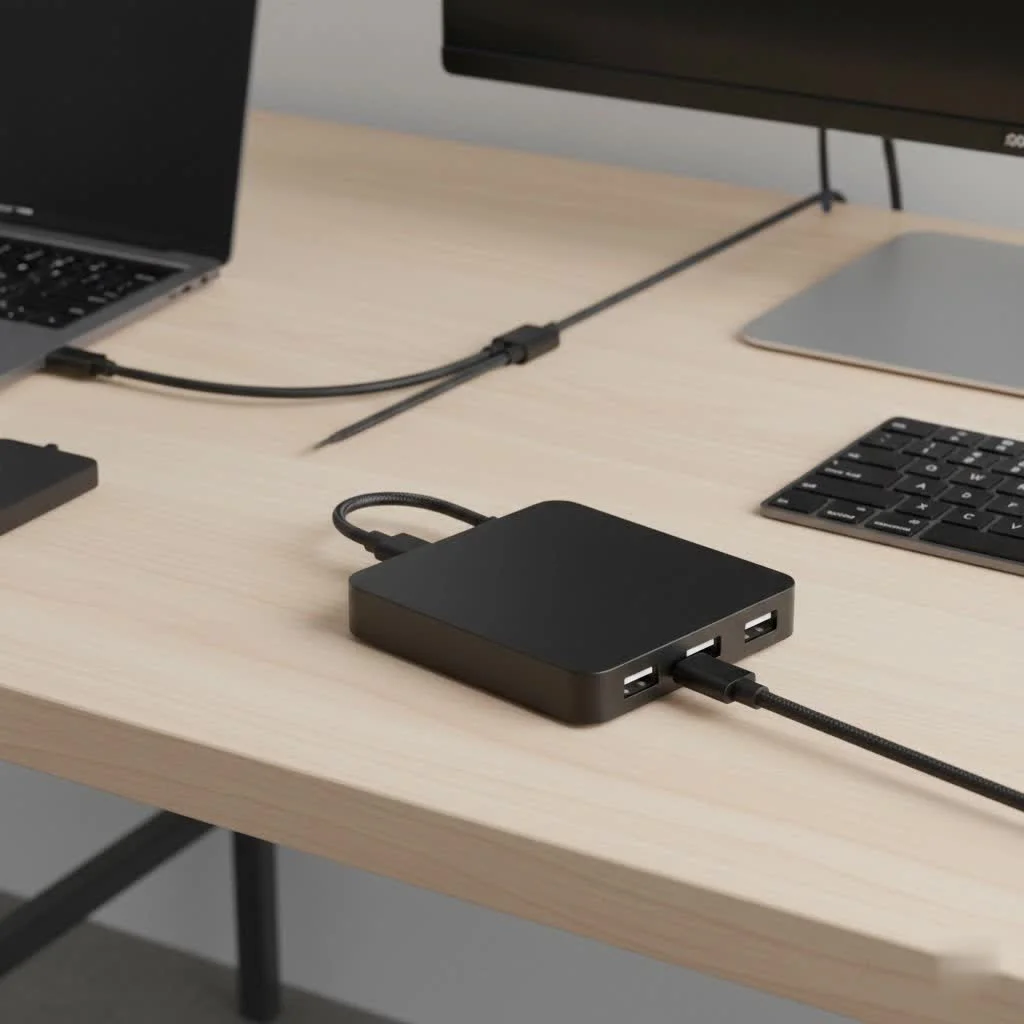
We’ve all been there: a critical presentation looms, your old hub just quit, or you’ve bought a new gadget only to realize you lack the right port. When urgency strikes, knowing where to grab a reliable USB hub quickly and what to look for can be a game-changer. This guide will walk you through finding the perfect USB hub right in your neighborhood, ensuring you’re back to full functionality in no time.
Why You Might Need a USB Hub Right Now
Life happens, and sometimes, your tech needs demand immediate solutions. There are several common scenarios where searching for a “USB hub near me” isn’t just a convenience, it’s a necessity:
- Sudden Peripheral Needs: You just bought a new ergonomic keyboard or a gaming mouse, and your computer is already maxed out on USB ports. An immediate purchase saves the day.
- Running Out of Ports Unexpectedly: You thought you had enough, but a new accessory or a guest needing to connect their device pushes you over the edge.
- Travel Emergency: You’re on a business trip, your essential travel hub got left behind, and you need to connect multiple devices in your hotel room.
- Testing Compatibility In-Person: Sometimes, seeing and feeling the hub, or even briefly checking it with a device (if possible), offers peace of mind that online shopping can’t.
- Damaged or Lost Hub: Accidents happen. When your current hub breaks or goes missing, you need a quick replacement to keep your workflow going.
Finding a USB Hub Near You
The quest for a “USB hub near me” usually leads to a few reliable types of retailers. Here’s where to start your search for that essential piece of hardware:
Major Electronics Retailers
These are often your best bet for a wider selection and knowledgeable staff. Stores like Best Buy and Micro Center are designed for tech enthusiasts and usually carry a comprehensive range of USB hubs, from basic models to advanced docking stations. Before heading out, always check their websites for local stock availability and specific store hours. Many offer “buy online, pick up in store” options, streamlining your trip.
Big Box Stores
Retail giants like Target and Walmart are surprisingly good places to find basic to mid-range USB hubs. While their electronics sections might not be as specialized as dedicated tech stores, they excel in convenience and accessibility, often having multiple locations. You’ll typically find simple 4-port USB-A hubs or basic USB-C hubs suitable for everyday use.
Office Supply Stores
Think Office Depot or Staples. These stores cater to productivity and business needs, making them excellent sources for USB hubs that often feature additional ports like Ethernet or card readers, perfect for office setups or home workstations. Their focus is on reliable connectivity solutions for professionals.
Even Pharmacies and Convenience Stores
For truly urgent, no-frills needs, don’t overlook stores like Walgreens. While their selection will be limited to very basic, often unpowered, USB hubs (usually 2.0 or basic 3.0), they can be lifesavers if you just need an extra port or two in a pinch. They are everywhere, making them incredibly convenient for emergency purchases. [cite: 1, “How to Choose a USB Hub?” search results]
Local Computer Shops
Smaller, independent computer repair or electronics shops can sometimes surprise you with their stock. They might have a more curated selection or even be able to offer specific advice based on your local needs. A quick online search for “computer repair” or “electronics store” in your area should reveal these hidden gems.
What to Look For When Buying a USB Hub in Store
|
Our Picks for the Best USB Hub in 2026
As an Amazon Associate I earn from qualifying purchases.
|
||
| Num | Product | Action |
|---|---|---|
| 1 | USB Hub 3.0, 7-Port USB Hub Splitter with Individual On/Off Switches and Lights, 3.2ft/1m Long Cable Compatible with MacBook, Laptop, Surface Pro, PS4, PC, Flash Drive, Mobile HDD |

|
| 2 | Powered USB Hub 10Gbps, intpw 9-Port USB 3.2 Hub, USB C Hub with USB A/USB C 3.2, 4 USB 3.0, 2 PD 45W Charging Ports, 65W Power Adapter and 3.3FT Cable, Aluminum USB Hub for Laptop, iPhone 17/16/15,PC |
|
| 3 | Anker Laptop Docking Station Dual Monitor, 8-in-1 USB C Hub, 4K Dual Monitor with 2 HDMI, 1 Gbps Ethernet Hub, 85W Power Delivery, SD Card Reader for MacBook Pro, XPS and More (Charger not Included) |
|
| 4 | Anker USB Hub 4 Ports with 5Gbps Data Transfer, Multiple USB 3.0 Hub, USB Splitter for Laptop, Extender for A Port Laptop, PC, Desktop and More [Charging Not Supported](0.7 ft USB-A) |
|
| 5 | USB C Docking Station with M.2 NVMe SSD Enclosure 10Gbps, 9 in 1 USB-C Hub, Type C SSD Slot with 4K@60Hz HDMI, USB 3.2 Gen2, PD100W, SD/TF Card Reader, Laptop Docking Station for Dell/HP/Lenovo/Mac |
|
| 6 | 13 in 1 USB C Docking Station - Dual Monitor, Triple Display, 8 USB C/A Ports, Ethernet, Audio - LIONWEI USB C Hub for MacBook,Dell,HP,Lenovo,Surface |
|
| 7 | UGREEN USB 3.0 Hub, 4 Ports USB A Splitter Ultra-Slim USB Expander for Mouse, Keyboard, Flash Drive, U Disk, Printer Compatible with Laptop, Desktop PC, Xbox, PS5, and More |
|
| 8 | Powered USB Hub, Wenter 11-Port USB Splitter Hub (10 Faster Data Transfer Ports+ 1 Smart Charging Port) with Individual LED On/Off Switches, USB Hub 3.0 Powered with Power Adapter for Mac, PC |
|
| 9 | 3-in-1 USB C Splitter, 3 in 1 Type-C Charging Data Cable Data Transmission Decive Charging Adapter Power Charger Equipment for ome Office Use, Fast & Efficient |
|
| 10 | P9R PRO USB C Hub Ethernet, 10 in 1 USB Docking Station 10Gbps with 4K@60Hz HDMI, USB C and 2 USB A 3.2, LAN, 2 USB A 2.0, PD 100W, SD/TF Ports, USB to Ethernet Adapter for PC, iPhone 16/15, Mac |
|
Stepping into a store and seeing a wall of USB hubs can be overwhelming. As a seasoned expert in USB hubs, I can tell you that a little foresight goes a long way. To make an informed decision when searching for a “USB hub near me,” consider these key factors:
Connectivity Match: USB-A or USB-C?
First and foremost, identify the available port on your computer or device that the hub will connect to. Is it the rectangular USB-A or the smaller, reversible USB-C? Your hub’s upstream connector must match. Newer laptops primarily use USB-C, while older devices often rely on USB-A. Many modern hubs come with a USB-C input but offer multiple USB-A and USB-C outputs. [cite: 1, “How to Choose…”, 5, “How to Choose…”]
Port Count & Types: What Do You Need to Plug In?
Think about all the devices you intend to connect. Do you need just a couple more USB-A ports for a mouse and keyboard, or do you require a multi-functional hub with HDMI for an external monitor, an Ethernet port for a stable internet connection, and SD/microSD card readers for your camera? Hubs come in various configurations, from simple 4-port expanders to robust 10+ port docking stations. [cite: 1, “How to Choose…”, 2, “How to Choose…”, 5, “How to Choose…”]
Speed Matters: USB 2.0, 3.0, or Beyond?
USB standards dictate data transfer speeds.
- USB 2.0: Sufficient for low-bandwidth devices like mice, keyboards, and basic printers (up to 480 Mbps).
- USB 3.0 (or USB 3.1 Gen 1, USB 3.2 Gen 1): Offers significantly faster speeds (up to 5 Gbps), ideal for external hard drives and flash drives.
- USB 3.1 Gen 2 (or USB 3.2 Gen 2): Doubles the speed to 10 Gbps.
- USB4 / Thunderbolt: These are the fastest options, providing 20-40 Gbps, crucial for high-resolution displays, external GPUs, or NVMe SSDs. [cite: 1, “How to Choose…”, 2, “How to Choose…”, 4, “How to Choose…”, 5, “How to Choose…”]
“Don’t compromise your workflow by connecting a high-speed external drive to a slower USB 2.0 hub,” advises Dr. Evelyn Reed, a leading expert in peripheral connectivity. “Always match the hub’s speed to your most demanding device, or better yet, opt for a faster standard like USB 3.0 or higher to future-proof your setup.”
Powered vs. Unpowered: Do Your Devices Need Extra Juice?
- Unpowered (Bus-Powered) Hubs: These draw all their power directly from your computer’s USB port. They are compact and portable but best suited for low-power devices. Connect too many power-hungry gadgets, and you might experience unreliable connections or data transfer issues. [cite: 1, “How to Choose…”, 4, “How to Choose…”, 5, “How to Choose…”]
- Powered (Self-Powered) Hubs: These come with their own external power adapter. They are essential for devices like external hard drives, smartphone charging, or multiple high-power peripherals, ensuring stable performance and sufficient power delivery (PD) to all connected devices. [cite: 1, “How to Choose…”, 2, “How to Choose…”, 3, “How to Choose…”, 4, “How to Choose…”, 5, “How to Choose…”]
Form Factor: Portable or Desktop?
Consider how and where you’ll use the hub.
- Portable Hubs: Often compact, lightweight, and sometimes feature a short, integrated cable. Ideal for slipping into a laptop bag.
- Desktop Hubs: May be larger, offer more ports, and often include an external power supply. They are designed to stay on your desk, keeping all your connections organized. [cite: 2, “How to Choose…”, 4, “How to Choose…”, 5, “How to Choose…”]
Brand & Build Quality: Quick Checks In-Store
While you can’t test it thoroughly, a quick physical inspection helps. Look for reputable brands known for quality. Check the hub’s casing – metal or durable plastic is generally better. Ensure the ports feel secure and the cable (if integrated) is robust.
Tips for a Successful Local Purchase
When you’re searching for a “USB hub near me,” a little preparation can make your in-store experience much smoother:
- Check Online Stock Before You Go: Most major retailers offer online inventory checks, allowing you to confirm if the specific type of USB hub you need is available at your nearest location. This saves a wasted trip.
- Read Quick Reviews on Your Phone: While in the store, if you have a specific model in hand, use your phone to quickly scan for online reviews. This can give you insights into its performance and common issues.
- Ask Store Staff for Recommendations: Don’t hesitate to engage with the electronics department staff. Explain your needs (what devices you have, what computer you’re using), and they might offer valuable advice or point you to suitable options.
- Understand Return Policies: Before completing your purchase, quickly familiarize yourself with the store’s return policy for electronics. Just in case the hub isn’t quite right for your setup, you’ll know your options.
Pros and Cons of Buying Locally
Choosing to buy a “USB hub near me” has its distinct advantages and disadvantages compared to online shopping:
Advantages
- Immediate Gratification: The biggest draw! You get your hub right away, solving your connectivity problem instantly.
- Inspect the Product: You can physically examine the hub, check its build quality, port layout, and cable length before buying.
- No Shipping Wait or Cost: Skip delivery fees and the anticipation of waiting for a package.
- Easier Returns: If there’s an issue, returning an item to a physical store is often quicker and simpler than mailing it back.
- Personalized Advice: Store staff can sometimes offer tailored recommendations.
Disadvantages
- Limited Selection: Physical stores can’t stock the sheer variety available online, meaning you might not find a very niche or specific model.
- Potentially Higher Prices: Brick-and-mortar stores often have higher overheads, which can sometimes translate to slightly higher prices compared to online-only retailers.
- Staff Knowledge Varies: While some staff are experts, others might have limited knowledge, making your own research crucial.
- Travel Time and Effort: You have to physically go to the store, which takes time and incurs travel costs (gas, public transport).
Frequently Asked Questions (FAQ)
Can I use any USB hub with my computer?
Not necessarily. You need to match the hub’s input connector (USB-A or USB-C) to an available port on your computer. Also, ensure the hub’s USB version (e.g., 3.0) and power delivery capabilities meet your device requirements.
What’s the difference between a powered and unpowered USB hub?
An unpowered hub draws all its power from your computer, making it suitable for low-power devices. A powered hub has an external power adapter and can reliably support power-hungry devices like external hard drives or charge multiple smartphones without performance issues. [cite: 1, “How to Choose…”, 4, “How to Choose…”]
Do pharmacies really sell USB hubs?
Yes, some pharmacies and convenience stores, especially larger chains, often carry basic electronics including simple, unpowered USB hubs for emergency or casual use. Their selection is usually limited but offers extreme convenience. [cite: 1, “How to Choose a USB Hub?” search results]
How many USB ports do I actually need on a hub?
Assess your current and anticipated future needs. If you only have a mouse and keyboard, a 4-port hub might suffice. For multiple peripherals, external drives, or specific needs like an HDMI display, you’ll need a hub with 7 or more ports and potentially specialized inputs/outputs. [cite: 1, “How to Choose…”, 2, “How to Choose…”, 4, “How to Choose…”]
Can a USB hub slow down my devices?
Yes, if you connect high-speed devices (like external SSDs) to a USB 2.0 hub, or if you connect too many power-hungry devices to an unpowered hub, you can experience reduced data transfer speeds or unstable connections. Always try to match the hub’s speed and power capabilities to your most demanding peripherals.
Conclusion
When you find yourself in need of a “USB hub near me,” rest assured that an immediate solution is within reach. By understanding your specific connectivity requirements—from port types and speeds to power needs—and knowing which local retailers to check, you can confidently walk into a store and pick out the perfect hub for your setup. Embracing the convenience of local shopping ensures you get the right tool for the job, right when you need it, keeping your digital life flowing smoothly. So next time your ports run dry, remember: a world of expanded connectivity is just around the corner!
Get our weekly buyer guide
Practical specs, not advice. Unsubscribe anytime.