A multi port USB hub expands a single USB port on your computer into several, allowing simultaneous connection of multiple peripherals like a mouse, keyboard, or external monitor. This essential device addresses the shrinking number of ports on modern laptops, particularly ultra-thin models, by transforming one port into a central station for all your connectivity needs. It is a simple, elegant solution to modern port scarcity, ensuring you can connect everything required without juggling cables.
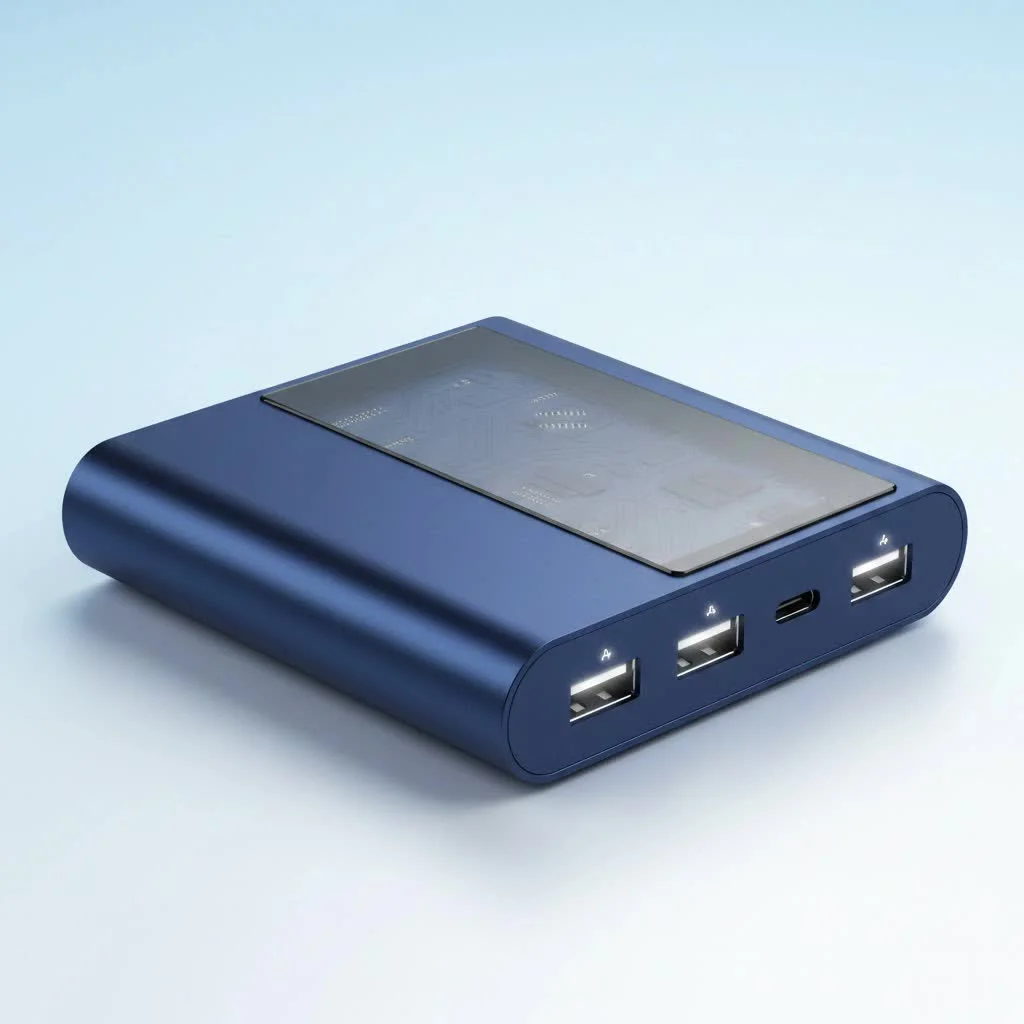
A multi port USB hub is a device that expands a single USB port (like USB-A or USB-C) into several, allowing you to connect multiple peripherals to your computer simultaneously. Think of it as a power strip for your data. Instead of being limited to the two or three ports on your laptop, a hub gives you the freedom to connect everything you need—your mouse, keyboard, flash drive, and even an external monitor—all at once. It’s the simple, elegant solution to modern port scarcity. For explore our usb hubs reviews on this site.
Why a USB Hub is No Longer a Luxury
In the past, USB hubs were for power users with a dozen gadgets. Today, they’re for everyone. The trend towards minimalist design in laptops, particularly with the widespread adoption of USB-C, means fewer built-in ports. For most users, this creates an immediate bottleneck.
Consider a typical workday. You need to connect your wireless mouse dongle, an external keyboard for better ergonomics, a USB stick to grab a file, and maybe charge your phone. A laptop with only two USB-C ports simply can’t handle this without help. A multi port USB hub elegantly solves this issue, turning one port into a central station for all your peripherals. It declutters your workspace, simplifies your workflow, and ensures you’re always ready to connect.
Powered vs. Unpowered Hubs: What’s the Difference?
When you start shopping for a USB hub, you’ll immediately encounter two main categories: powered and unpowered (or “bus-powered”). Understanding the distinction is crucial for choosing the right one for your needs.
Unpowered (Bus-Powered) Hubs
An unpowered hub draws all its electricity directly from the host computer it’s plugged into.
- Pros: Highly portable, compact, and less expensive. They don’t require a separate power adapter, making them perfect for travel or mobile work setups.
- Cons: They have a limited power output, which is shared among all connected devices. This is fine for low-power peripherals like a mouse, keyboard, or flash drive. However, they can struggle with high-power devices like external hard drives, webcams, or charging a smartphone.
Powered Hubs
|
Our Picks for the Best USB Hub in 2026
As an Amazon Associate I earn from qualifying purchases.
|
||
| Num | Product | Action |
|---|---|---|
| 1 | USB C Docking Station with M.2 NVMe SSD Enclosure 10Gbps, 9 in 1 USB-C Hub, Type C SSD Slot with 4K@60Hz HDMI, USB 3.2 Gen2, PD100W, SD/TF Card Reader, Laptop Docking Station for Dell/HP/Lenovo/Mac |

|
| 2 | Powered USB Hub 10Gbps, intpw 9-Port USB 3.2 Hub, USB C Hub with USB A/USB C 3.2, 4 USB 3.0, 2 PD 45W Charging Ports, 65W Power Adapter and 3.3FT Cable, Aluminum USB Hub for Laptop, iPhone 17/16/15,PC |
|
| 3 | Powered USB Hub, Wenter 11-Port USB Splitter Hub (10 Faster Data Transfer Ports+ 1 Smart Charging Port) with Individual LED On/Off Switches, USB Hub 3.0 Powered with Power Adapter for Mac, PC |
|
| 4 | Anker USB Hub 4 Ports with 5Gbps Data Transfer, Multiple USB 3.0 Hub, USB Splitter for Laptop, Extender for A Port Laptop, PC, Desktop and More [Charging Not Supported](0.7 ft USB-A) |
|
| 5 | UGREEN USB 3.0 Hub, 4 Ports USB A Splitter Ultra-Slim USB Expander for Mouse, Keyboard, Flash Drive, U Disk, Printer Compatible with Laptop, Desktop PC, Xbox, PS5, and More |
|
| 6 | 3-in-1 USB C Splitter, 3 in 1 Type-C Charging Data Cable Data Transmission Decive Charging Adapter Power Charger Equipment for ome Office Use, Fast & Efficient |
|
| 7 | 13 in 1 USB C Docking Station - Dual Monitor, Triple Display, 8 USB C/A Ports, Ethernet, Audio - LIONWEI USB C Hub for MacBook,Dell,HP,Lenovo,Surface |
|
| 8 | USB Hub 3.0, 7-Port USB Hub Splitter with Individual On/Off Switches and Lights, 3.2ft/1m Long Cable Compatible with MacBook, Laptop, Surface Pro, PS4, PC, Flash Drive, Mobile HDD |
|
| 9 | Anker Laptop Docking Station Dual Monitor, 8-in-1 USB C Hub, 4K Dual Monitor with 2 HDMI, 1 Gbps Ethernet Hub, 85W Power Delivery, SD Card Reader for MacBook Pro, XPS and More (Charger not Included) |
|
| 10 | P9R PRO USB C Hub Ethernet, 10 in 1 USB Docking Station 10Gbps with 4K@60Hz HDMI, USB C and 2 USB A 3.2, LAN, 2 USB A 2.0, PD 100W, SD/TF Ports, USB to Ethernet Adapter for PC, iPhone 16/15, Mac |
|
A powered hub comes with its own external power adapter that plugs into a wall outlet. This means it provides its own dedicated power source to the connected devices.
- Pros: Delivers consistent and ample power to each port. This makes it ideal for running multiple high-drain devices simultaneously without performance issues. It’s the most stable and reliable option for a permanent desk setup.
- Cons: Less portable due to the extra power brick and cable. They are also generally more expensive.
As our lead hardware analyst, David Chen, often says, “Choosing between a powered and unpowered hub comes down to your primary use case. For a work-from-home desk that supports monitors and hard drives, a powered hub is non-negotiable. For a professional on the go, the portability of a bus-powered hub is a lifesaver.”
How to Choose the Perfect Multi Port USB Hub
Navigating the sea of options can be daunting. Let’s break down the key features to look for to ensure you get a hub that perfectly matches your needs.
1. The Right Mix of Ports
Not all hubs are created equal. The most important factor is the selection of ports it offers. Think about the devices you use every day and the ones you might use in the future.
- USB-A: The classic rectangular port. Essential for connecting legacy devices like mice, keyboards, printers, and older flash drives.
- USB-C: The modern, reversible oval port. Many newer devices use this standard. Some hubs offer USB-C for data transfer, while others provide it for Power Delivery (PD) to charge your laptop.
- HDMI/DisplayPort: Crucial if you want to connect one or more external monitors to your laptop. Check the supported resolution and refresh rate (e.g., 4K at 60Hz).
- Ethernet Port: For a stable, high-speed internet connection, an Ethernet port is far more reliable than Wi-Fi. A must-have for gamers, streamers, and anyone who deals with large file transfers.
- SD/MicroSD Card Readers: A massive convenience for photographers, videographers, and content creators who need to transfer files from their cameras quickly.
2. Data Transfer Speed: USB Standards
The speed of your hub determines how quickly files are transferred. This is dictated by the USB standard it supports.
- USB 2.0: An older standard with a max speed of 480 Mbps. Suitable for basic peripherals like keyboards and mice, but far too slow for file transfers. Avoid this for anything but the most basic use cases.
- USB 3.0/3.1 Gen 1/3.2 Gen 1: These are all different names for the same standard, offering speeds up to 5 Gbps. This is the sweet spot for most users, providing fast file transfers for external hard drives and SSDs.
- USB 3.1 Gen 2/3.2 Gen 2: This standard doubles the speed to 10 Gbps, ideal for professionals working with large files, such as video editors.
- Thunderbolt 3/4 & USB4: These are the fastest standards available, offering speeds up to 40 Gbps. They can support multiple 4K displays and high-speed external storage. These are typically found in more expensive hubs and docking stations.
3. Power Delivery (PD)
Power Delivery is a game-changing feature that allows a multi port USB hub to charge your host laptop through the same USB-C cable it uses for data. If your laptop charges via USB-C, a hub with PD means you can plug in your laptop’s power adapter to the hub, and it will pass power through to your laptop while also running all your other peripherals. Check the wattage (e.g., 60W, 85W, 100W) to ensure it’s sufficient to charge your specific laptop model effectively.
Frequently Asked Questions (FAQ)
Will a multi port USB hub slow down my devices?
A quality USB hub should not noticeably slow down your devices for everyday use. A hub shares the total bandwidth of the single port it’s connected to. So, if you are performing multiple high-bandwidth activities simultaneously (like transferring large files from two different external drives), you might see a reduction in speed. For most users connecting a mouse, keyboard, and flash drive, there will be no perceptible slowdown.
Can a cheap USB hub damage my computer or peripherals?
Yes, a poorly made, cheap USB hub can potentially damage your equipment. Low-quality hubs may lack essential safety features like overcurrent protection or proper power management. This can lead to power surges that could harm your computer’s motherboard or the devices connected to it. It is always recommended to invest in a hub from a reputable brand.
How many devices can I actually connect?
Theoretically, you can daisy-chain hubs to connect up to 127 devices to a single host controller. However, in practice, this is limited by both the power and bandwidth available from the host port. For a stable setup, it’s best to stick to the number of ports available on your primary hub.
What’s the real difference between a USB hub and a docking station?
The line is blurring, but generally, a USB hub focuses on expanding the number of USB ports. A docking station is a more comprehensive solution, often powered, and designed to turn a laptop into a full-fledged desktop setup. Docks typically offer a wider array of ports (multiple display outputs, more USB ports, audio jacks) and are more robust, but also much larger and more expensive.
Do I really need a powered USB hub?
You need a powered USB hub if you plan to connect devices that draw a lot of power. This includes external hard drives (especially older, spinning ones), CD/DVD writers, high-resolution webcams, or if you want to charge your phone or tablet through the hub. If you only use low-power devices like a keyboard, mouse, and thumb drive, an unpowered hub is sufficient.
Conclusion: Your Connectivity Command Center
In a world demanding more connections from fewer ports, the multi port USB hub is the indispensable bridge for your digital life. It’s more than just an accessory; it’s a tool that streamlines your workflow, cleans up your desk, and unlocks the full potential of your devices. By considering your specific needs—the types of ports you require, the speed you need for your tasks, and whether your devices demand a powered solution—you can confidently choose the perfect hub. Don’t let port limitations be your productivity bottleneck. Invest in a quality hub and create your own seamless, powerful, and connected workspace.
Frequently Asked Questions
Will a multi port USB hub slow down my devices?
A quality USB hub should not noticeably slow down devices for everyday use. While a hub shares the total bandwidth of the single port it connects to, most users connecting low-bandwidth devices like a mouse, keyboard, and flash drive will experience no perceptible slowdown. Significant speed reductions only occur with multiple simultaneous high-bandwidth activities, such as transferring large files from two external drives.
Can a cheap USB hub damage my computer or peripherals?
Yes, a poorly made, cheap USB hub can potentially damage your equipment. Low-quality hubs often lack essential safety features like overcurrent protection or proper power management. This deficiency can lead to power surges that may harm your computer's motherboard or connected devices. Investing in a hub from a reputable brand is always recommended to ensure safety and reliability.
How many devices can I connect to a single USB hub?
Theoretically, you can daisy-chain hubs to connect up to 127 devices to a single host controller. However, practical limitations arise from the available power and bandwidth of the host port. For a stable and efficient setup, it is best to adhere to the number of ports provided on your primary hub rather than attempting to connect an excessive number of devices.
What is the main difference between a USB hub and a docking station?
Generally, a USB hub primarily expands the number of USB ports available. In contrast, a docking station is a more comprehensive, often powered, solution designed to transform a laptop into a full desktop setup. Docking stations typically offer a wider array of ports, including multiple display outputs, more USB ports, and audio jacks, making them larger and more expensive than simple hubs.
Is a powered USB hub necessary for all users?
A powered USB hub is necessary if you plan to connect devices that draw significant power. This includes external hard drives, CD/DVD writers, high-resolution webcams, or if you intend to charge a phone or tablet through the hub. For users who only connect low-power devices like a keyboard, mouse, and thumb drive, an unpowered hub is usually sufficient.
Choose the Perfect Multi Port USB Hub
Selecting the right multi port USB hub involves evaluating port types, data transfer speeds, and power delivery capabilities to match your specific connectivity needs.
Identify the types of ports you need, such as USB-A for legacy devices, USB-C for modern connections and Power Delivery, HDMI/DisplayPort for external monitors (e.g., 4K at 60Hz), Ethernet for stable internet, and SD/MicroSD card readers for media transfer. Consider both current and future device needs.
Choose a USB standard based on your file transfer requirements. USB 3.0/3.1 Gen 1/3.2 Gen 1 offers 5 Gbps, suitable for most users. Professionals needing faster transfers for large files might opt for USB 3.1 Gen 2/3.2 Gen 2 (10 Gbps) or Thunderbolt 3/4 & USB4 (40 Gbps) for high-speed storage and multiple 4K displays.
If your laptop charges via USB-C, consider a hub with Power Delivery (PD) to charge your laptop through the hub while connecting other peripherals. Check the wattage (e.g., 60W, 85W, 100W) to ensure it provides sufficient power for your specific laptop model. This feature streamlines your setup by reducing cable clutter.
Get our weekly buyer guide
Practical specs, not advice. Unsubscribe anytime.
The hub does what it’s supposed to, letting me connect my mouse and keyboard. However, I noticed that when I try to connect my external monitor through it, the display sometimes flickers. It’s fine for basic USB-A devices, but maybe not ideal if you need to push a lot of bandwidth through it for video. Still, it solves the port scarcity issue for most of my everyday items.
This hub works great for my needs. I use it to connect my flash drives and a couple of external hard drives to my desktop. The data transfer speeds are decent, and I haven’t had any issues with devices disconnecting. It’s a solid solution for expanding your connectivity, especially if you’re always juggling multiple peripherals.
Finally, a simple, elegant solution to modern port scarcity! My new MacBook only has two USB-C ports, and this hub has been a lifesaver. I can now connect all my older USB-A devices, plus charge my phone, all from one central station. It’s compact and doesn’t take up much space on my desk.
I recently got a new ultra-thin laptop and immediately ran into the problem of not having enough ports. This multi port USB hub was exactly what I needed. Now I can connect my external monitor, keyboard, and mouse all at once without constantly swapping cables. It’s a total game-changer for my home office setup.